Box-to-Box Midfielder Explained: Duties, Skills and Tactical Importance
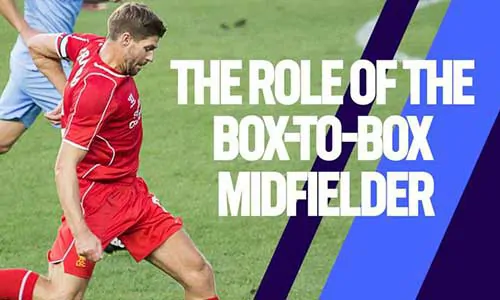
Modern football is a fast-paced game of chess where space, time, and physical endurance dictate who wins. At the absolute center of this strategic battleground lies the team’s engine room. In this guide, we have the Box-to-Box Midfielder Explained: Duties, Skills and Tactical Importance to demystify how these dynamic players bridge the gap between defense and attack. By understanding this unique role, coaches and fans alike can appreciate the immense tactical value these players bring to the pitch.
Historically, teams relied on rigid structures. However, modern tactical setups demand fluid transitions. Consequently, the player operating in the center must possess exceptional versatility. This article explores the intricate details of this demanding role, highlighting why elite managers prioritize signing top-tier talent for this specific position.
Table of Contents
- 1. What is a Box-to-Box Midfielder?
- 2. Box-to-Box Midfielder Explained: Duties, Skills and Tactical Importance
- 3. Core Duties on the Pitch
- 4. Essential Skills and Attributes
- 5. Tactical Importance in Modern Football Formations
- 6. Iconic Box-to-Box Midfielders in Football History
- 7. How to Train for the Role
- 8. Frequently Asked Questions (FAQ)
What is a Box-to-Box Midfielder?
A Box-to-Box Midfielder—often referred to as a “number 8″—is a versatile central midfielder who operates all over the pitch. The term literally implies their area of influence: from their own penalty box to the opposition’s penalty box. Unlike a specialized defensive midfielder who stays deep, or an attacking playmaker who stays high, this player does both.
To operate successfully, they must possess an elite work rate and unmatched stamina. Furthermore, they serve as the vital link during transition play. When the team is defending, they act as an extra shield. When the team wins the ball, they drive forward to become an extra attacking threat. Therefore, they are often considered the physical and tactical engine of their team.
In modern tactical terminology, this role has evolved to meet the demands of high-pressing systems. Specifically, they are no longer just runners; they are highly intelligent tacticians who know when to slow the game down and when to accelerate it.
Box-to-Box Midfielder Explained: Duties, Skills and Tactical Importance
To truly grasp the impact of this position, we must look at the Box-to-Box Midfielder Explained: Duties, Skills and Tactical Importance in a holistic manner. A team’s tactical balance heavily depends on how this player coordinates with the rest of the midfield unit. Without a reliable central engine, a team can easily become disjointed, leaving vast gaps for the opposition to exploit.
Tactically, the modern Box-to-Box Midfielder provides a unique dual-threat capability. On one hand, they relieve pressure on the defensive line by tracking back and making crucial interceptions. On the other hand, their late runs into the penalty area often catch opposing defenders off guard, leading to vital goals. This versatility makes them incredibly difficult for opposition managers to plan against.
Furthermore, because they operate in the most crowded areas of the pitch, their decision-making must be flawless. Choosing when to carry the ball, when to play a simple pass, or when to commit to a tackle can change the outcome of a match. Consequently, top clubs invest heavily in securing players who possess this rare combination of physical prowess and tactical intellect.
Core Duties of the Box-to-Box Midfielder
The responsibilities of this role are incredibly diverse. To succeed, a player must seamlessly switch between defensive and offensive states of mind within seconds. Here is a breakdown of their primary duties during a match:
1. Defensive Recovery and Pressing
In the defensive phase, the Box-to-Box Midfielder is tasked with tracking back to support the back four. They must cover open spaces, intercept passes, and engage in physical duels. Additionally, they are key players in high-pressing systems, where they must pressure the opponent’s build-up play to force turnovers.
2. Ball Progression and Transition
Once possession is regained, the transition phase begins. The player must quickly transition from a defensive posture to an offensive one. They progress the ball either by passing through the lines or by driving forward with the ball at their feet. Because of this, they are the main catalysts for quick counter-attacks.
3. Supporting the Attack and Late Runs
When the team establishes possession in the final third, the Box-to-Box Midfielder supports the forwards. Specifically, they make late, untracked runs into the penalty box. These runs are highly effective because defenders are usually occupied with the primary strikers, leaving the arriving midfielder completely unmarked.
Essential Skills of a Box-to-Box Midfielder
Playing in the center of the pitch requires a unique profile. A player cannot rely on technical skill alone; they must also possess elite physical and mental attributes. Below is an overview of the key skills required to dominate this position:
| Skill Category | Key Attributes | Tactical Purpose |
|---|---|---|
| Physical | Elite Stamina, Strength, Acceleration | To sustain high-intensity running for 90+ minutes and win physical duels. |
| Technical | Passing Range, Ball Control, Tackling, Shooting | To retain possession under pressure, break lines, and score from distance. |
| Tactical | Positional Awareness, Scanning, Pressing triggers | To cut off passing lanes, identify free spaces, and coordinate pressing. |
| Mental | Work Rate, Decision-making, Leadership | To maintain discipline, guide teammates, and make quick choices under duress. |
Stamina is arguably the most vital physical attribute. A typical Box-to-Box Midfielder covers between 11 to 13 kilometers per match. Consequently, without high aerobic capacity, their performance will drop significantly in the final stages of a game.
In addition to physical strength, technical passing range is vital. They must be able to play short, crisp passes to keep possession, as well as switch the play with long diagonal balls. Therefore, a complete mastery of passing techniques is non-negotiable for this position.
Tactical Importance in Modern Football Formations
Modern tactics are highly fluid, with managers constantly shifting shapes to gain numerical advantages. In this environment, the Box-to-Box Midfielder is the ultimate tactical Swiss Army knife. They allow teams to adapt to different game states without making substitutions.
In a standard 4-3-3 formation, they usually play alongside a defensive anchor (the number 6) and a creative playmaker (the number 10). Here, their role is to provide balance. For example, if the creative midfielder pushes forward, the Box-to-Box Midfielder drops deeper to cover the space. Conversely, if the opposition sit deep, they push higher to create a numerical overload in the final third.
Furthermore, their presence is vital in high-pressing setups popularized by modern coaches. They act as the secondary pressers, closing down central passing channels. According to tactical analyses published by authoritative platforms like The Coaches’ Voice, having a midfielder who can cover ground quickly is essential for maintaining a compact and effective defensive block.
In transition phases, their ability to carry the ball forward relieves pressure on the defense. By drawing defenders toward them, they create space for the wingers and strikers to exploit. Therefore, they are crucial for both defensive stability and offensive fluidity.
Iconic Box-to-Box Midfielders in Football History
To understand how this role is executed at the highest level, we can look at some of the greatest players to ever step onto a pitch. These individuals defined and refined the position over decades:
Steven Gerrard
The legendary Liverpool captain is often considered the blueprint for the modern Box-to-Box Midfielder. Gerrard possessed an extraordinary passing range, ferocious tackling ability, and a knack for scoring spectacular long-range goals. His endless stamina and leadership made him the ultimate driving force for his team.
Yaya Touré
During his prime at Manchester City, Touré was virtually unstoppable. Combining immense physical strength with delicate technical skill, he could pick the ball up deep in his own half and power through entire midfields. His tactical intelligence and goal-scoring ability during City’s title-winning campaigns cemented his status as a legendary figure in this role.
Jude Bellingham
Representing the modern generation, Bellingham combines youth, athleticism, and tactical maturity. He reads the game exceptionally well, allowing him to break up plays and immediately join the attack. His performances for both club and country demonstrate how the Box-to-Box Midfielder role continues to evolve in modern, fast-paced football systems.
How to Train as a Box-to-Box Midfielder
Becoming an elite midfielder requires dedication, structured training, and a deep understanding of the game. If you are an aspiring player or coach, focusing on the following areas will help develop the necessary attributes:
- Interval Training: To build the required stamina, incorporate high-intensity interval training (HIIT) into your fitness routine. This replicates the sudden bursts of acceleration needed during transitions.
- Spatial Awareness Drills: Practice scanning your surroundings constantly. Before receiving the ball, you should already know where your teammates and opponents are positioned.
- Two-Way Transition Games: Participate in small-sided games that focus on quick transitions. This helps train the mind to switch from defending to attacking instantly.
- Technical Mastery: Work on your weak foot, first touch, and short-to-medium passing accuracy under physical pressure.
Additionally, studying professional matches is highly beneficial. Pay close attention to how elite midfielders position themselves when their team does not have the ball. Learning to anticipate play is just as important as physical training.
Frequently Asked Questions (FAQ)
To help you better understand the nuances of this position, we have answered some of the most common questions about the role below:
What is the difference between a Box-to-Box Midfielder and a Mezzala?
While both are dynamic midfielders, a Box-to-Box Midfielder operates primarily through the central column of the pitch. On the other hand, a Mezzala (a term originating from Italian football) operates in the half-spaces and inside channels, often drifting wide to combine with wingers and full-backs to create overloads.
Is the Box-to-Box Midfielder a defensive or offensive role?
It is strictly a balanced, two-way role. A true player in this position must contribute equally to both phases. If a player focuses solely on defending, they become a holding midfielder. If they only focus on attacking, they become an offensive playmaker.
What shirt number is usually associated with this position?
This role is traditionally associated with the number 8 shirt. This designation dates back to classic line-up systems where the number 8 was positioned between the defensive midfielder (number 6) and the attacking playmaker (number 10).
Can a team play with two Box-to-Box Midfielders?
Yes, many modern managers employ two “number 8s” in a 4-3-3 or 4-1-4-1 system. However, this setup requires a highly disciplined defensive midfielder (number 6) to sit deep and protect the backline when both central players push forward.
Why are elite Box-to-Box Midfielders so rare?
They are rare because the role requires a combination of contrasting skills. Finding a player who possesses the physical strength to tackle, the stamina to run for 90 minutes, and the creative vision to score and assist is highly challenging. Consequently, they are among the most expensive profiles in the transfer market.
Conclusion
In conclusion, the Box-to-Box Midfielder Explained: Duties, Skills and Tactical Importance reveals just how critical this position is to modern football. By acting as the physical and tactical bridge between defense and attack, these players ensure team cohesion, balance, and fluidity. Whether tracking back to make a goal-saving tackle or making a late run to score the winner, their impact is undeniable.
If you enjoyed this tactical breakdown, feel free to share it with fellow football enthusiasts. To stay updated with more in-depth football tactics and analyses, subscribe to our newsletter today and never miss an update!