FIFA World Cup 2026 Tickets: How to Avoid Resale Scams and Fake Listings
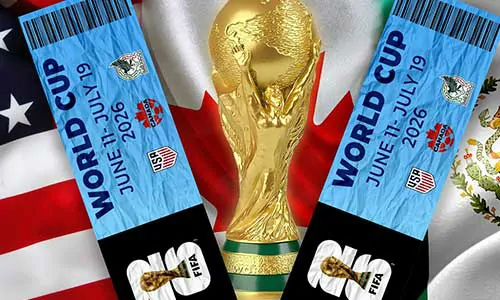
The anticipation surrounding the biggest sporting event in North American history is reaching a fever pitch. As fans prepare to travel across Canada, Mexico, and the United States, securing access to matches has become a top priority. However, the massive demand has also attracted sophisticated fraudsters looking to exploit eager supporters. When planning to attend this historic tournament, understanding the process of acquiring genuine FIFA World Cup 2026 Tickets: How to Avoid Resale Scams and Fake Listings is critical to securing your place in the stadiums without losing your hard-earned money.
Consequently, navigating the ticketing market requires extreme vigilance and up-to-date knowledge of official channels. Fraudulent sellers use advanced techniques to mimic legitimate platforms, making it incredibly easy for unsuspecting buyers to fall victim to scams. Therefore, this comprehensive guide is designed to provide you with the essential tools and insights needed to verify ticket authenticity. By following these proven strategies, you can ensure your tournament experience is memorable for all the right reasons.
Table of Contents
- 1. Understanding the Official FIFA Ticketing System
- 2. The Core Risks of Secondary Resale Markets
- 3. FIFA World Cup 2026 Tickets: How to Avoid Resale Scams and Fake Listings
- 4. Spotting the Red Flags of Fraudulent Listings
- 5. Comparing Ticket Acquisition Channels
- 6. Step-by-Step Guide for FIFA World Cup 2026 Tickets: How to Avoid Resale Scams and Fake Listings
- 7. Official Hospitality: The Ultimate Safe Alternative
- 8. What to Do If You Fall Victim to a Ticketing Scam
- 9. Protecting Your Purchase: FIFA World Cup 2026 Tickets: How to Avoid Resale Scams and Fake Listings Checklist
- 10. Frequently Asked Questions (FAQs)
1. Understanding the Official FIFA Ticketing System
To safely navigate the market, you must first understand how official sales operate. FIFA strictly controls the distribution of all match entry passes. Specifically, the only authorized platform to buy standard tickets is the official FIFA Ticketing Portal. Any other website claiming to be an official vendor is misrepresenting itself to attract traffic.
Furthermore, the ticketing process is divided into distinct sales phases. These phases include random selection draws, first-come-first-served periods, and eventually last-minute sales. Buying during these official windows guarantees that you pay face-value prices. Conversely, looking outside these periods often leads fans into the hands of predatory ticket scalpers.
In addition to strict purchase windows, the tournament relies entirely on digital delivery. For the 2026 tournament, paper tickets and PDF printouts have been completely phased out. Instead, your entry credentials will be delivered exclusively through the official FWC2026 Mobile Tickets app. Consequently, any seller offering a physical or emailed PDF ticket is trying to scam you.
2. The Core Risks of Secondary Resale Markets
Because demand heavily outweighs supply, many fans turn to secondary marketplaces out of desperation. Unofficial resale sites, classified ads, and social media groups are flooded with listings. However, purchasing FIFA World Cup 2026 tickets through these unauthorized channels carries immense risks. Indeed, FIFA maintains a strict policy stating that tickets resold outside their official platform can be cancelled immediately.
Additionally, secondary marketplaces do not have access to the official ticket database. This means they cannot instantly verify if a listing is legitimate. As a result, speculative selling is incredibly common on these platforms. Sellers will list tickets they do not actually own, hoping to acquire them later before the match starts.
Moreover, the prices on unofficial platforms are heavily inflated. Buyers routinely pay thousands of dollars over the face value of the ticket. Even worse, if FIFA invalidates the ticket due to unauthorized resale, you will be denied entry at the stadium gates. Meanwhile, the secondary site’s guarantee might offer a refund, but it cannot replace the experience of missing a live World Cup match.
3. FIFA World Cup 2026 Tickets: How to Avoid Resale Scams and Fake Listings
Protecting your investment and your tournament dreams requires a strategic approach. To begin with, your primary shield against fraud is the official FIFA Resale/Exchange Marketplace. This dedicated platform, which launched on October 2, 2025, allows fans to safely buy and sell genuine tickets at face value. Because FIFA manages this marketplace directly, every transaction is secure and officially recognized.
Furthermore, when using the official resale platform, there is a standard fifteen percent transaction fee to cover administrative costs. Although this fee is applied, it is a small price to pay for complete peace of mind. On the other hand, purchasing on external sites exposes you to deceptive duplicate listings. Scammers often sell the exact same digital barcode to multiple unsuspecting buyers simultaneously.
To protect yourself further, you must familiarize yourself with how digital ticket transfers work. Legitimate transfers can only occur through the FWC2026 Mobile Tickets application. Consequently, you should never trust a seller who promises to transfer tickets via email, WhatsApp, or third-party wallet links. If the transfer does not take place within the official app ecosystem, the transaction is highly likely to be fraudulent.
4. Spotting the Red Flags of Fraudulent Listings
Recognizing the warning signs of a scam can save you from significant financial loss. First, be highly suspicious of prices that seem too good to be true. Scammers often list premium Category 1 seats or high-demand knockout match tickets at bargain prices. They do this specifically to create a sense of urgency, forcing you to act before thinking critically.
Second, pay close attention to the payment methods requested by the seller. Legitimate transactions should always be completed using secure payment processors or major credit cards. Therefore, if a seller demands payment via wire transfer, cryptocurrency, or peer-to-peer cash apps like Venmo or Zelle, walk away immediately. These payment methods offer virtually no consumer protection, making it impossible to recover your funds.
Third, watch out for high-pressure sales tactics. Fraudulent sellers often claim that multiple other buyers are waiting, or that the offer is only valid for a few minutes. Additionally, they may refuse to provide basic details about the ticket’s category or block number. Genuine sellers who are simply trying to return their money through the correct channels will not pressure you into making unsafe payment choices.
5. Comparing Ticket Acquisition Channels
To help you clearly visualize the safety levels of different purchasing options, we have compiled a detailed comparison table. It highlights the major differences between the official FIFA platforms and unauthorized secondary channels.
| Feature | Official FIFA Portal / Resale | Unofficial Secondary Sites | Social Media / Classifieds |
|---|---|---|---|
| Ticket Validity | 100% Guaranteed | High Risk of Invalidation | Extremely High Risk (Scam) |
| Price Controls | Face Value Only | Highly Inflated / Speculative | Unregulated / Subjective |
| Transfer Method | In-App (FWC2026 App) | External Links / Fake PDFs | Direct Payments / No Security |
| Transaction Fees | 15% Administrative Fee | Up to 30% or more | No Fees (But high fraud risk) |
6. Step-by-Step Guide for FIFA World Cup 2026 Tickets: How to Avoid Resale Scams and Fake Listings
To safely secure your matchday passes, we recommend executing a methodical, step-by-step approach. This structured process minimizes your exposure to fraudulent listings while maximizing your chances of getting genuine tickets.
Step 1: Register an Official FIFA Ticketing Account
Before attempting to buy any tickets, you must create an account on FIFA’s official portal. Ensure that all your personal information is accurate and matches your legal identification. This account will serve as your hub for managing purchases and accessing the official resale platform.
Step 2: Download the FWC2026 Mobile Tickets App
Once your ticketing account is active, download the official mobile application from either the Apple App Store or Google Play Store. You must log in using the exact same credentials you used on FIFA’s portal. Remember, this is the only application capable of holding and displaying valid entry barcodes.
Step 3: Only Buy from the Official Resale Platform
If you missed the initial lottery phases, focus your search exclusively on the official FIFA Resale/Exchange Marketplace. This platform operates on a first-come, first-served basis. It is constantly updated as other fans return their tickets, so checking the portal regularly is key.
Step 4: Verify the Ticket Transfer Protocol
If you are receiving a ticket from a trusted friend or family member, make sure they utilize the official Ticket Transfer feature within the app. Do not accept screenshots of barcodes, as they will not work. Due to advanced security features, the actual entry QR codes are dynamic and only activate a few hours before kickoff.
7. Official Hospitality: The Ultimate Safe Alternative
For those who want to guarantee their matchday attendance without the stress of lottery draws or resale marketplaces, official hospitality packages are an excellent alternative. FIFA has partnered exclusively with On Location to deliver these premium experiences. Purchasing a hospitality package is a completely legal, secure, and scam-free way to obtain FIFA World Cup 2026 tickets.
In addition to securing premium category seating, hospitality packages offer access to exclusive lounges, upscale dining, and pre-match entertainment. While these packages come at a higher price point than standard tickets, they completely eliminate the risk of fraud. Therefore, they are highly recommended for business entertainment or once-in-a-lifetime family trips.
However, you must ensure that you purchase these packages directly from the official provider or their authorized local agents. Unofficial travel agencies often bundle fake tickets with hotel stays to look legitimate. To stay safe, always verify the agency’s credentials on the official FIFA website before committing to a purchase.
8. What to Do If You Fall Victim to a Ticketing Scam
If you discover that you have purchased fake tickets, taking immediate action is essential. First, contact your bank or credit card company to report the fraudulent transaction. If you paid using a credit card, you might be able to initiate a chargeback. Consequently, this can help you recover your lost funds, provided you report the issue quickly.
Second, gather all evidence related to the transaction. This includes emails, chat logs, receipts, and screenshots of the fraudulent listing. After compiling this information, file a report with consumer protection agencies, such as the Federal Trade Commission (FTC) in the United States, or equivalent authorities in Canada and Mexico.
Third, report the fraudulent seller to the platform where you found the listing. Whether it was a social media group or a secondary marketplace, reporting the user helps protect other fans from falling into the same trap. Although this might not recover your money instantly, it contributes to cleaning up the marketplace for the entire global football community.
9. Protecting Your Purchase: FIFA World Cup 2026 Tickets: How to Avoid Resale Scams and Fake Listings Checklist
Before you finalize any transaction, review this essential safety checklist. It serves as a final shield to ensure your purchase is completely secure and authorized by the tournament organizers.
- Is the website URL correct? Always ensure you are on
FIFA.com/tickets. - Is the ticket physical or a PDF? Remember, paper and PDF tickets do not exist. Valid passes are 100% digital.
- Does the seller require payment via wire transfer or gift cards? If yes, immediately cancel the deal.
- Are you being rushed? Do not let high-pressure tactics override your safety instincts.
- Have you downloaded the official app? All genuine tickets must appear inside the FWC2026 Mobile Tickets app.
- Is the seller offering screenshots? Barcode screenshots are completely useless and will be rejected at the gate.
In conclusion, the path to the stadiums of the United States, Canada, and Mexico should be paved with excitement, not financial stress. By adhering strictly to the official platforms, ignoring suspicious deals, and staying informed about digital ticket delivery, you can secure your seat safely. Ultimately, patience and caution are your best assets when navigating the historic demand for this tournament.
10. Frequently Asked Questions (FAQs)
Q1: Can I buy FIFA World Cup 2026 tickets on eBay, Craigslist, or social media?
No, buying tickets on these platforms is extremely risky. FIFA does not authorize resale on these sites, and tickets purchased there can be cancelled without refunds. Only use the official FIFA Ticketing Portal.
Q2: What is the official resale platform for the tournament?
The only official platform is the FIFA Resale/Exchange Marketplace, accessible via FIFA.com/tickets. It allows fans to trade tickets securely at face value.
Q3: How do I know if my ticket transfer is legitimate?
A legitimate transfer will require you to accept the ticket through the FWC2026 Mobile Tickets app. If the ticket does not show up inside this official app, it is not valid.
Q4: Why does my ticket not display a barcode or QR code yet?
For security reasons, the dynamic entry QR codes do not appear on the FWC2026 Mobile Tickets app until a few hours before the match kicks off. This prevents counterfeiting and duplicate ticket scams.
Q5: Can I get a refund if I bought a fake ticket from an unauthorized seller?
FIFA does not provide refunds for tickets purchased through unofficial channels. You must contact your bank or credit card provider to report fraud and attempt to dispute the charge.
Q6: What is the transaction fee on the official FIFA Resale Marketplace?
FIFA charges a fifteen percent transaction fee on the ticket’s face value to cover the administrative and processing costs of the exchange.