Football Pitch Maintenance Explained: Natural Grass vs Hybrid Turf
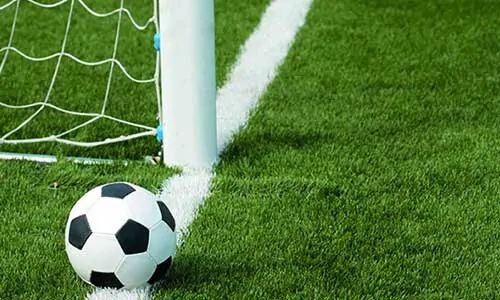
Modern sports stadiums are architectural marvels, yet their most critical component remains the playing surface itself. In the fast-paced world of professional soccer, the quality of the turf directly influences ball physics, game speed, and player safety. Consequently, groundskeepers and facility managers face a crucial decision: should they rely on traditional turf or upgrade to modern reinforced systems? In this ultimate guide, Football Pitch Maintenance Explained: Natural Grass vs Hybrid Turf, we will analyze the technicalities, care routines, and costs of keeping these elite surfaces in pristine condition.
Table of Contents
- 1. The Evolution of Football Pitch Surfaces
- 2. Natural Grass vs Hybrid Turf: Core Technical Differences
- 3. Step-by-Step Natural Grass Maintenance Protocol
- 4. Step-by-Step Hybrid Turf Maintenance Protocol
- 5. Side-by-Side Comparison: Cost, Performance, and Lifespan
- 6. Player Safety and Biomechanics
- 7. Frequently Asked Questions (FAQ)
- 8. Conclusion and Final Thoughts
1. The Evolution of Football Pitch Surfaces
Historically, soccer was played exclusively on 100% natural grass fields. However, as modern club schedules became increasingly congested and stadium designs grew taller, growing healthy turf became a significant challenge. High stadium stands block natural sunlight and restrict essential wind flow, which creates an environment where natural grass struggles to thrive.
To address these challenges, the sports turf industry introduced innovative hybrid technology. By combining living grass with millions of synthetic fibers, manufacturers created a surface that retains the feel of natural turf while gaining the structural strength of artificial fields. Today, understanding Football Pitch Maintenance Explained: Natural Grass vs Hybrid Turf is essential for anyone managing a modern athletic venue.
Specifically, elite European stadiums have almost entirely transitioned to these advanced reinforced systems. This change occurred because natural turf alone simply cannot withstand the intense, back-to-back demands of modern domestic leagues, continental tournaments, and non-sporting events.
2. Natural Grass vs Hybrid Turf: Core Technical Differences
To properly care for these surfaces, we must first look at how they are structurally put together. A standard natural grass pitch relies entirely on the biological root system of the living turfgrass—usually Perennial Ryegrass (Lolium perenne) or Kentucky Bluegrass (Poa pratensis)—to bind the underlying soil profile together.
Conversely, hybrid turf systems integrate synthetic components into the rootzone to mechanically stabilize the ground. The most common hybrid method is the stitched system, such as SISGrass or Desso GrassMaster. In these fields, specialized machines inject millions of individual polypropylene fibers 18 to 20 centimeters deep into the sand-based rootzone.
Furthermore, analyzing Football Pitch Maintenance Explained: Natural Grass vs Hybrid Turf reveals how technology preserves surface consistency. When natural grass roots grow, they naturally wrap themselves around these synthetic fibers. This symbiotic structure prevents the turf from tearing away during heavy tackles, sliding plays, or intense scrums.
Another popular option is the hybrid carpet system, where grass grows through a synthetic mesh backing laid over the field. Whichever system a stadium chooses, the maintenance approach must adapt to match the mechanical requirements of that specific design.
3. Step-by-Step Natural Grass Maintenance Protocol
While natural turf has a lower initial installation cost, keeping it healthy requires a continuous, highly disciplined biological care routine. If you miss even a short window of care, the field can rapidly degrade into a muddy, unsafe playing surface.
Football Pitch Maintenance Explained: Natural Grass vs Hybrid Turf – Routine Care Schedules
To maintain structural integrity, traditional grass fields require a multi-faceted approach. Groundskeepers must closely manage several key daily and weekly tasks:
- Mowing: During the active growing season, grass is mown 3 to 5 times per week to a precise height of 22 to 28 millimeters. Using sharp, lightweight cylinder mowers is essential to prevent bruising the grass blades.
- Irrigation: Deep and infrequent watering is preferred over light daily spraying. This practice encourages the grass roots to grow deeper into the soil in search of moisture, making the field more stable.
- Fertilization: Regular soil testing guides the precise application of Nitrogen, Phosphorus, and Potassium (N-P-K). Slow-release granular fertilizers provide steady nutrition, while liquid foliar feeds deliver quick boosts before match days.
- Aeration: Regular aeration is vital to prevent soil compaction from foot traffic. Using solid-tine or hollow-coring machines creates small holes in the surface, allowing oxygen, water, and nutrients to easily reach the rootzone.
- Overseeding: Constant play inevitably thins out the grass. Consequently, overseeding football fields with high-quality ryegrass seed is a continuous requirement to keep the turf dense and resilient.
In addition, groundskeeping teams must consistently monitor the turf for diseases like microdochium patch or pythium blight, which can quickly ruin a natural field if left untreated.
4. Step-by-Step Hybrid Turf Maintenance Protocol
It is a common misconception that hybrid systems require less care than natural grass. In fact, under closer scrutiny, Football Pitch Maintenance Explained: Natural Grass vs Hybrid Turf shows that modern hybrid pitches require unique mechanical care to keep both the living grass and synthetic fibers working in harmony.
Without proper mechanical intervention, the natural grass can crowd out and suffocate the synthetic fibers, or the fibers can get flattened and buried under the soil. If this happens, the pitch loses its hybrid benefits and behaves just like an ordinary natural grass field.
Football Pitch Maintenance Explained: Natural Grass vs Hybrid Turf – Specialized Hybrid Care
To prevent these issues, groundskeepers must incorporate several highly specialized mechanical practices into their routine:
- Raking and Brushing: Groundskeepers regularly use specialized mechanical rakes and brushes. This process lifts the synthetic fibers, keeping them standing upright so they can support the surrounding grass.
- Careful Sand Topdressing: Applying sand helps keep the playing surface level and supports drainage. However, applying too much sand can bury the synthetic fibers. Groundskeepers must apply very thin layers and immediately brush the field to keep the fibers exposed.
- Specialized Aeration: While hybrid pitches need aeration to prevent compaction, traditional hollow-coring can pull up and damage the synthetic fibers. Consequently, groundskeepers must use thin, solid tines (such as Verti-Drain) set to precise depths that avoid catching the synthetic backing or stitched fibers.
- Using Grow Lights: Since hybrid pitches are typically installed in large, modern stadiums, natural light is often limited. Groundskeepers rely heavily on mobile grow-light rigs to provide the synthetic-supported grass with enough light to stay strong and healthy throughout the year.
Furthermore, annual renovation is absolutely essential for stitched hybrid fields. Every summer, groundskeepers use a heavy-duty machine (like a Koro Field TopMaker) to scalp off the top layer of organic matter, thatch, and old grass. Because the synthetic fibers are anchored deep in the ground, they remain completely undamaged. The field is then topdressed, aerated, and completely reseeded with fresh grass.
To learn more about the strict standards used to evaluate these professional playing surfaces, you can explore the FIFA Quality Programme, which detailed testing protocols for both natural and hybrid systems.
5. Side-by-Side Comparison: Cost, Performance, and Lifespan
Understanding Football Pitch Maintenance Explained: Natural Grass vs Hybrid Turf requires a clear, objective look at the financial and operational trade-offs of both options. While natural grass is cheaper to install, hybrid turf provides far superior durability and playing hours.
The table below summarizes the key differences between the two systems:
| Feature / Metric | Natural Grass | Hybrid Turf (Stitched) |
|---|---|---|
| Initial Installation Cost | Low to Moderate ($120,000 – $190,000) | High ($250,000 – $450,000+) |
| Annual Maintenance Cost | Moderate ($20,000 – $35,000/year) | Very High (Requires specialized machinery) |
| Weekly Play Capacity | Limited (approx. 4 – 6 hours per week) | High (up to 15 – 20 hours per week) |
| Annual Playing Hours | 350 – 450 hours | 700 – 900+ hours |
| Divoting & Surface Tearing | High (requires frequent hand-repair) | Very Low (fibers hold roots in place) |
| Expected Lifespan | Indefinite (with proper biological care) | 8 to 10 years (synthetic fibers degrade) |
Therefore, when analyzing Football Pitch Maintenance Explained: Natural Grass vs Hybrid Turf, facility managers must weigh their available budget against how intensively the pitch will be used. For local community clubs, natural grass is often the most sensible choice. However, for multi-use professional venues that host regular matches, training sessions, and concerts, the durability of hybrid turf easily justifies the higher initial cost.
6. Player Safety and Biomechanics
Player safety is the most critical factor when choosing a pitch surface. A high-quality field must offer consistent traction, absorb impact to protect joints, and prevent divots that can cause players to trip or twist their ankles.
Traditional natural grass provides an excellent, organic playing surface when it is well-maintained. However, heavy rain can quickly turn natural soil muddy, while dry weather can bake the ground hard. These changing conditions increase the risk of player slips, muscle strains, and joint fatigue.
In contrast, studying Football Pitch Maintenance Explained: Natural Grass vs Hybrid Turf highlights how hybrid fields solve this issue by maintaining a highly stable and consistent surface. The synthetic fibers anchor the turf, ensuring the ground remains flat and secure even under wet conditions. This stability gives players the confidence to accelerate and change direction quickly without fear of the turf giving way beneath them.
For in-depth research on sports turf safety, field testing, and maintenance resources, you can consult the Sports Field Management Association (SFMA), which provides comprehensive educational materials for professional groundskeepers.
7. Frequently Asked Questions (FAQ)
To help summarize the key points of Football Pitch Maintenance Explained: Natural Grass vs Hybrid Turf, we have answered some of the most common questions below:
Q1: Is hybrid turf the same as artificial turf?
No. Artificial turf is entirely synthetic. In contrast, hybrid turf is predominantly natural grass (usually around 95%) that is reinforced with a small percentage of injected synthetic fibers to strengthen the rootzone.
Q2: Why does hybrid turf require an annual renovation?
Over a long season, organic thatch and debris build up at the base of the grass. Groundskeepers must physically scalp off this old organic layer every year to clean the field, prevent disease, and keep the synthetic fibers standing upright.
Q3: How many extra playing hours does a hybrid pitch provide?
A stitched hybrid pitch can typically support 3 to 4 times more playing hours than a standard natural grass pitch. This extra durability makes it ideal for clubs that use their main stadium pitch for regular training sessions.
Q4: Can you use standard aeration machinery on a hybrid field?
No, traditional hollow-coring aerators can pull up and destroy the synthetic fibers. Groundskeepers must use specialized solid-tine aerators set to highly precise depths to avoid damaging the hybrid system.
Q5: What is the average lifespan of a hybrid pitch?
With professional, daily maintenance, a high-quality stitched hybrid pitch can last between 8 and 10 years before the synthetic polypropylene fibers begin to wear out and require replacement.
Q6: Does hybrid turf heat up like artificial turf?
No, because a hybrid field is 95% living natural grass. Natural transpiration from the living grass blades keeps the pitch cool, avoiding the high surface temperatures commonly associated with fully synthetic turf.
8. Conclusion and Final Thoughts
Choosing between traditional grass and hybrid turf involves balancing your available budget, expected playing hours, and desired performance standards. Traditional natural grass remains an excellent, cost-effective option for venues with lower usage demands. However, professional stadiums facing congested schedules and limited sunlight find that hybrid turf is indispensable.
Ultimately, Football Pitch Maintenance Explained: Natural Grass vs Hybrid Turf demonstrates that both options require professional, dedicated care. By understanding the biological needs of natural grass and the mechanical requirements of hybrid turf, groundskeepers can ensure their fields remain green, safe, and beautiful all year round.
Are you upgrading your sports facility?
Whether you are caring for a community natural grass field or managing an elite stitched hybrid stadium, using the right tools and schedules is key to longevity. Contact our consulting team today for customized pitch maintenance plans and expert advice.